


About Zoo
A modern zoo is a center for establishing collections of rare and endangered animal species listed in the International and National Red Data Books, their captive breeding, and educating the public about the fauna of the Republic and the world. In addition, it is a cultural, educational, scientific, and research institution dedicated to the conservation, breeding, and reintroduction of rare and valuable animal species.
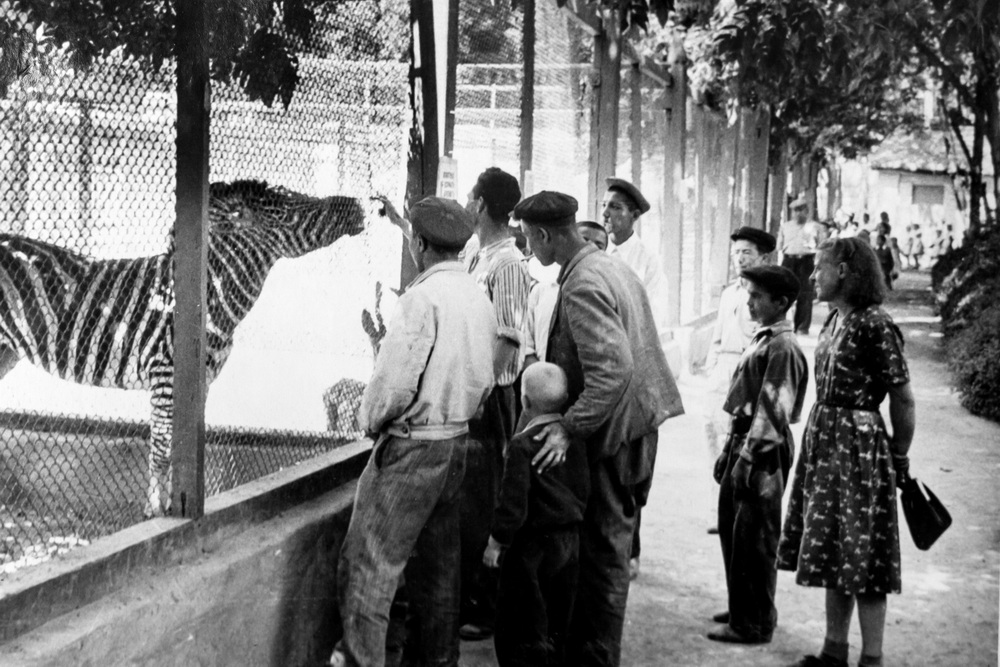
The Tashkent Zoo was established in 1924 on the initiative of zoologists from the Central Asian University.
By the end of the 1940s, the Tashkent Zoo had developed a collection comprising approximately 200 species and had taken a direct part in establishing a network of zoos in Central Asia, including Kazakhstan, Turkmenistan, and Tajikistan.
Beginning in the 1980s, an initiative group from the old zoo undertook many years of efforts to find a larger site within the city and obtain permission to acquire it.


However, it should be noted that the small zoo continued to lead a full and active life. Its old enclosures were reconstructed and renovated, while its rich collection of animal species was preserved and, whenever possible, expanded. Thousands of city residents, as well as visitors and guests of Uzbekistan, enjoyed visiting this small corner of wildlife in the heart of the city. But the most important achievement of the old zoo was the training of professional staff to work with exotic animals. Despite the limited space, modest adobe-brick facilities, and other shortcomings, many animal species successfully bred at the zoo. One of the Tashkent Zoo's particular achievements was the successful breeding of Andean condors, which was a world first in the history of zoos.
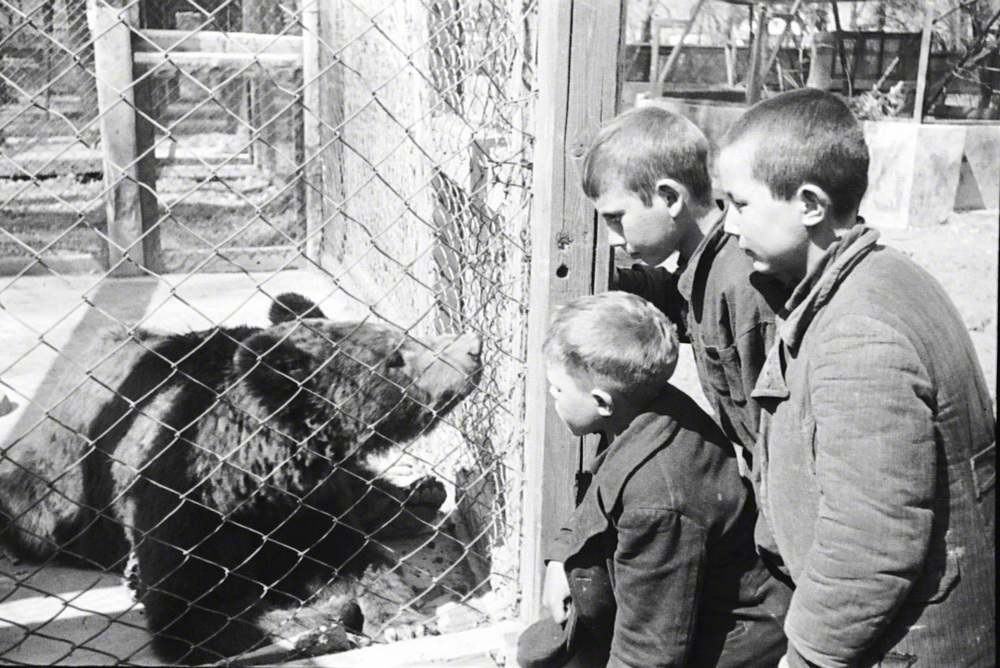
In 1992, the territory of the Tashkent Zoo covered 10.7 hectares, and its animal collection included more than 270 species.


In 1994, pursuant to Resolution No. 267-F of the Cabinet of Ministers of the Republic of Uzbekistan dated July 13, 1994, construction of a new zoo began. The new facility was designed to meet modern requirements and international standards.

In 1997, on September 1, Independence Day of the Republic of Uzbekistan, the new zoo, located next to the city's Botanical Garden, was opened. Its territory now covers 21.5 hectares.
The animals were provided with spacious and comfortable enclosures equipped with ponds and heated indoor facilities for protection during the winter cold.

Today, the zoo has the following departments: Aquarium, Terrarium, Primates, Parrots, Birds, Predators, Waterfowl, Ungulates, Invertebrates, Small Mammals, Vivarium, Animal Breeding Center, and Petting Zoo. A veterinary clinic, as well as toxicological and biochemical laboratories, operate to provide veterinary care for the animals.

Advantages of the New Zoo:
- Increased territory, up to 21.5 hectares;
- Expanded species collection, to 373 species;
- Increased number of animal departments, from 7 to 13;
- Improved animal housing conditions, including larger enclosures and better facilities such as winter shelters, outdoor summer areas, transfer facilities, ponds, and pools within the enclosures.
One of the zoo's main attractions is the Aquarium, the only facility of its kind in Central Asia where both freshwater and marine fish species are kept. The volume of seawater is approximately 100 cubic meters, while the volume of freshwater is about 200 cubic meters. Two shark tanks each hold 15 tons of water.
The Aquarium, Terrarium, Primates, and Exotic Birds departments are housed together in a specially constructed building called the "Climatron", a facility with an artificially controlled climate.
The increased size of the zoo's territory made it possible to create a facility that meets international standards for animal care, while also providing space for attractions, cafés, retail kiosks, and a decorative lake for waterfowl.

The amount of space available to all animals has been increased. For example, the total area of the elephants' winter facility and summer outdoor enclosure exceeds 1,000 square meters, whereas in the old zoo it did not exceed 200 square meters.
All animals that require water as part of their habitat are provided with appropriate water bodies, including predators, ungulates, waterfowl, crocodiles, aquatic turtles, and others.

Animals are fed according to diets developed on the basis of international standards and approved specifically for the Tashkent Zoo. All predatory animals and birds receive fresh meat prepared to closely resemble their natural prey, including an appropriate amount of bones, fur, and offal. This has a positive effect on the animals' overall health. It improves digestion and appearance and stimulates reproduction.
To enrich the animals' diets, the zoo breeds rodents such as mice, rats, hamsters, guinea pigs, and rabbits, as well as other live food, including cockroaches, mealworms, crickets, snails, and others.
Since 2000, the Tashkent Zoo has been a full member of the Euro-Asian Regional Association of Zoos and Aquariums (EARAZA). This has enabled the zoo to establish close relations with zoos around the world, arrange mutually beneficial animal exchanges, obtain valuable scientific information, and apply this knowledge to improve the work of its animal departments.
The zoo participates in the conservation of rare animal species included in studbooks, such as the pygmy hippopotamus, Siberian crane, Japanese crane, Amur tiger, and others. Particular attention is also devoted to the conservation and breeding of species native to the Central Asian region, including the cinereous vulture, griffon vulture, and others.

Animal exchanges, the formation of breeding pairs, and the genetic renewal of zoo collections are vital to all zoos. Zoos around the world seek mutually beneficial animal exchanges, which are a priority in modern zoo management and conservation.

As a result of the systematic work of the Tashkent Zoo's Scientific and Educational Department, the zoo has maintained mutually beneficial cooperation and conducted animal exchanges with zoos in various cities and countries for many years, including Malacca (Malaysia), Riga (Latvia), Zlín–Lešná (Czech Republic), Krasnoyarsk, Moscow, Novosibirsk, Kaliningrad (Russia), Mykolaiv (Ukraine), Karaganda (Kazakhstan), and others.
As a result, the zoo's collection has been enriched with such exotic animals as the Asian elephant, Malayan sun bear, langurs, gibbons, various species of cranes, ibises, parrots, and many other animals.
Terrarium
There are 36 species and 100 individual animals in the terrarium. It is home to reptiles and amphibians.

The Nile crocodile is one of the largest and strongest crocodiles. It is a skilled predator that spends most of its time in the water, patiently waiting for prey.


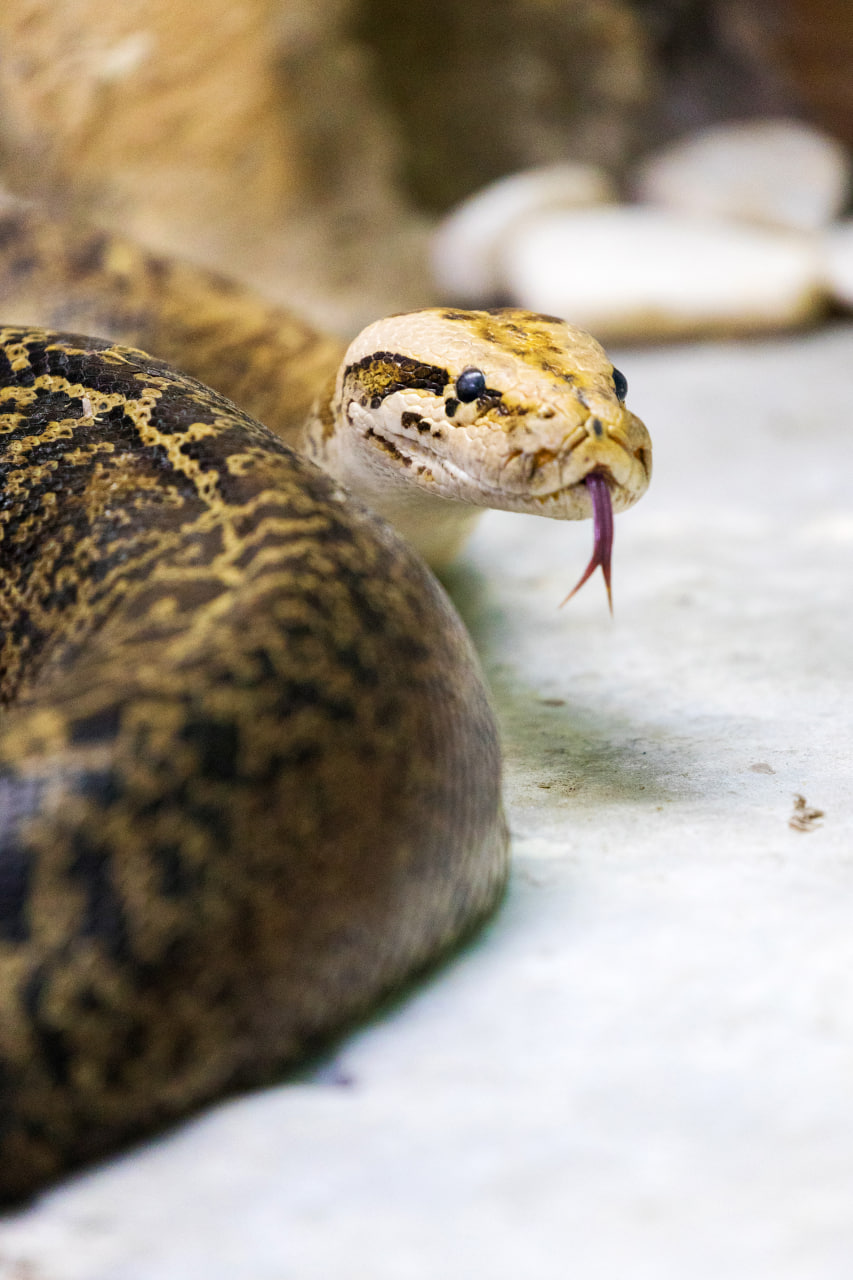
Pythons and anacondas are among the largest snakes on our planet. They do not have venomous fangs; instead, they hold their prey by wrapping their powerful bodies around it. These snakes are excellent swimmers, catching weak and poorly adapted animals.

The alligator snapping turtle is considered one of the most unusual freshwater turtles in the world. Its powerful jaws are capable of crushing very hard food.


The Central Asian tortoise is perfectly adapted to life in an arid climate and can live for several decades.
The red-eared slider is one of the best-known freshwater turtles in the world, distinguished by bright red stripes on the sides of its head.
Primates
The primate section is home to 17 species and 38 individuals. Here, you can get to know humans’ closest relatives and observe their complex behavior, communication, and family relationships.

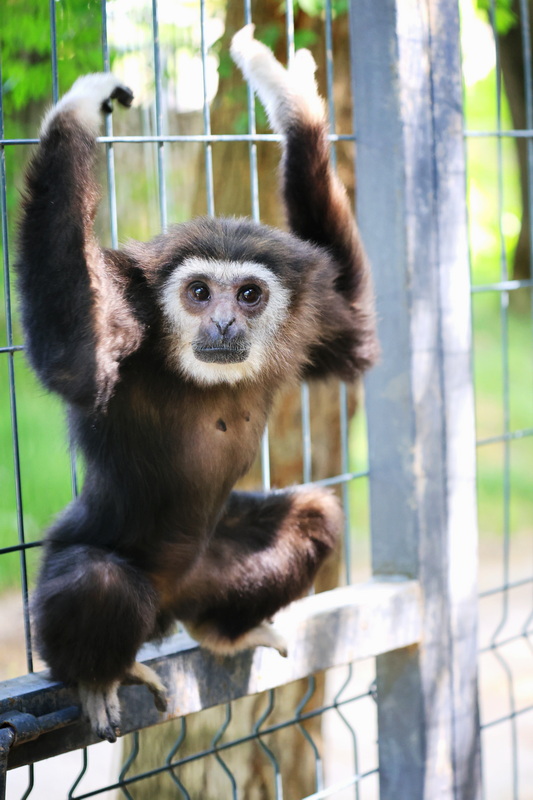
The white-handed gibbon is considered one of the best acrobats in the animal world. It effortlessly swings from branch to branch, using its long arms rather than jumping.
The hamadryas baboon is known for its striking appearance and strict social hierarchy.


These monkeys live in large families, where everyone knows their place.


The ring-tailed lemur is one of the most recognizable primates, thanks to its striped tail. These curious animals live in close-knit groups and often enjoy sunbathing while sitting with their legs stretched out.
Predators
The carnivore section introduces visitors to powerful and fascinating animals that play an important role in natural ecosystems.

White Lions. Their unusual coloration is caused by a rare genetic trait, and such animals are extremely rare in the wild.


Caucasian Brown Bear. One of the largest predators in the Caucasus. Despite its impressive size, it is an excellent swimmer, a good climber on steep slopes, and an omnivore.
Canadian Wolf. It lives in close-knit family packs and is considered one of the most intelligent members of the canine family. By communicating with each other through howling, wolves can stay in contact over distances of several kilometers.

Ungulates
The ungulates animals section is home to 30 species and 153 individuals. Here, visitors can discover rare and unusual animals from different continents.

Pygmy Hippopotamus. Considerably smaller than its famous relative, the pygmy hippopotamus leads a secretive lifestyle. In the wild, this rare species is threatened with extinction.
Addax. A desert antelope that can survive for long periods without water by obtaining moisture from plants.
Alpaca. Known for its exceptionally soft wool, this gentle animal has a calm and friendly temperament and lives high in the mountains of South America.

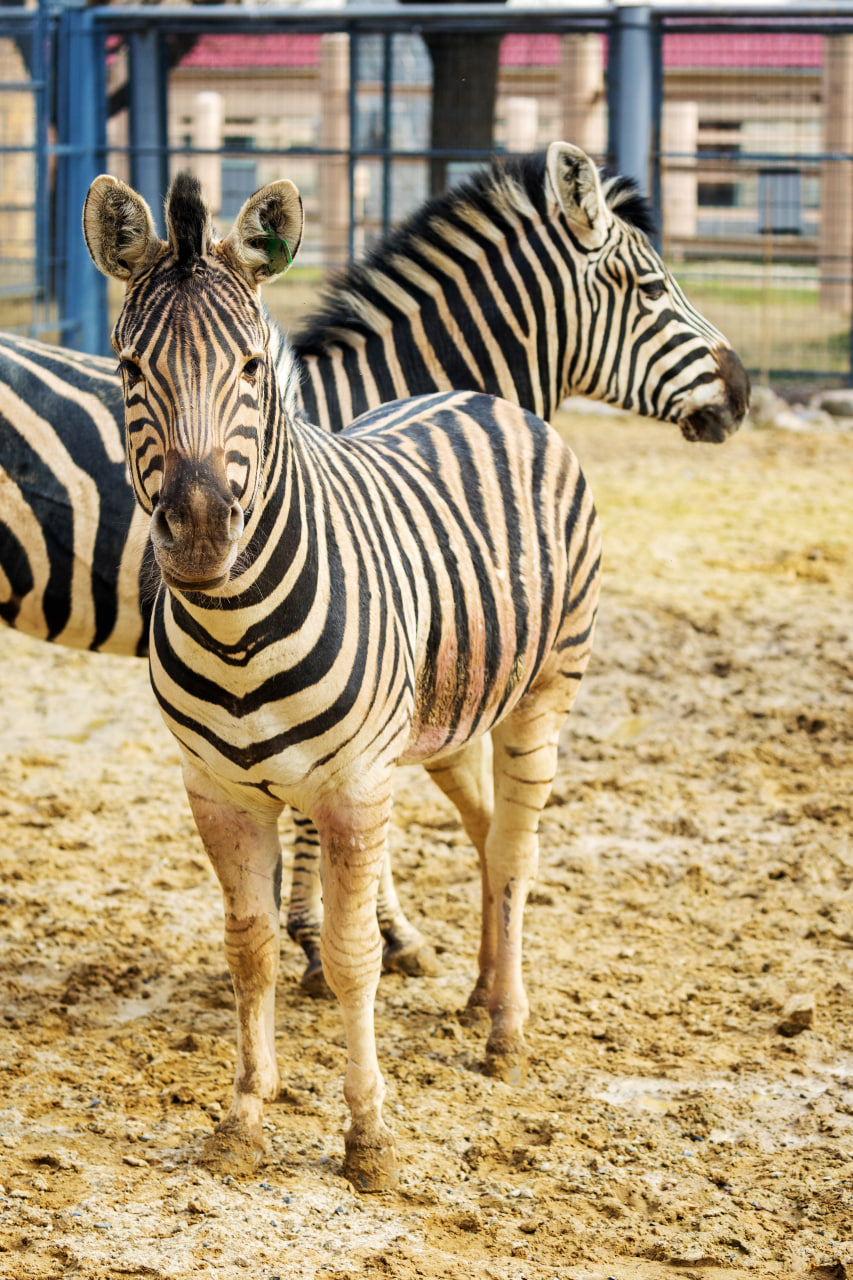
Zebra. Every zebra’s stripes are unique, much like human fingerprints, and help the animals recognize one another within the herd.

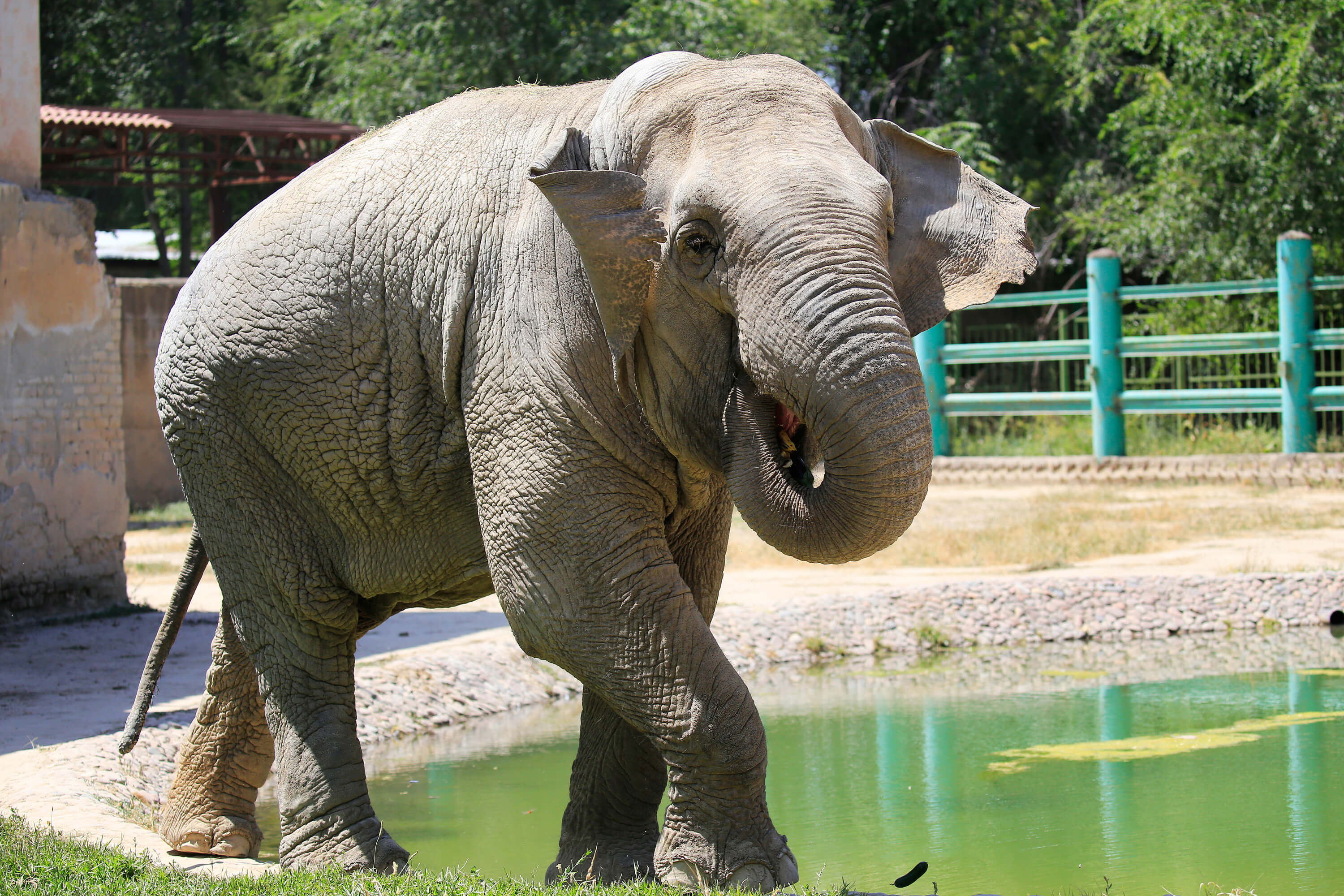
Elephant. The largest land animal on Earth. Elephants are known for their high intelligence, excellent memory, and strong family bonds.
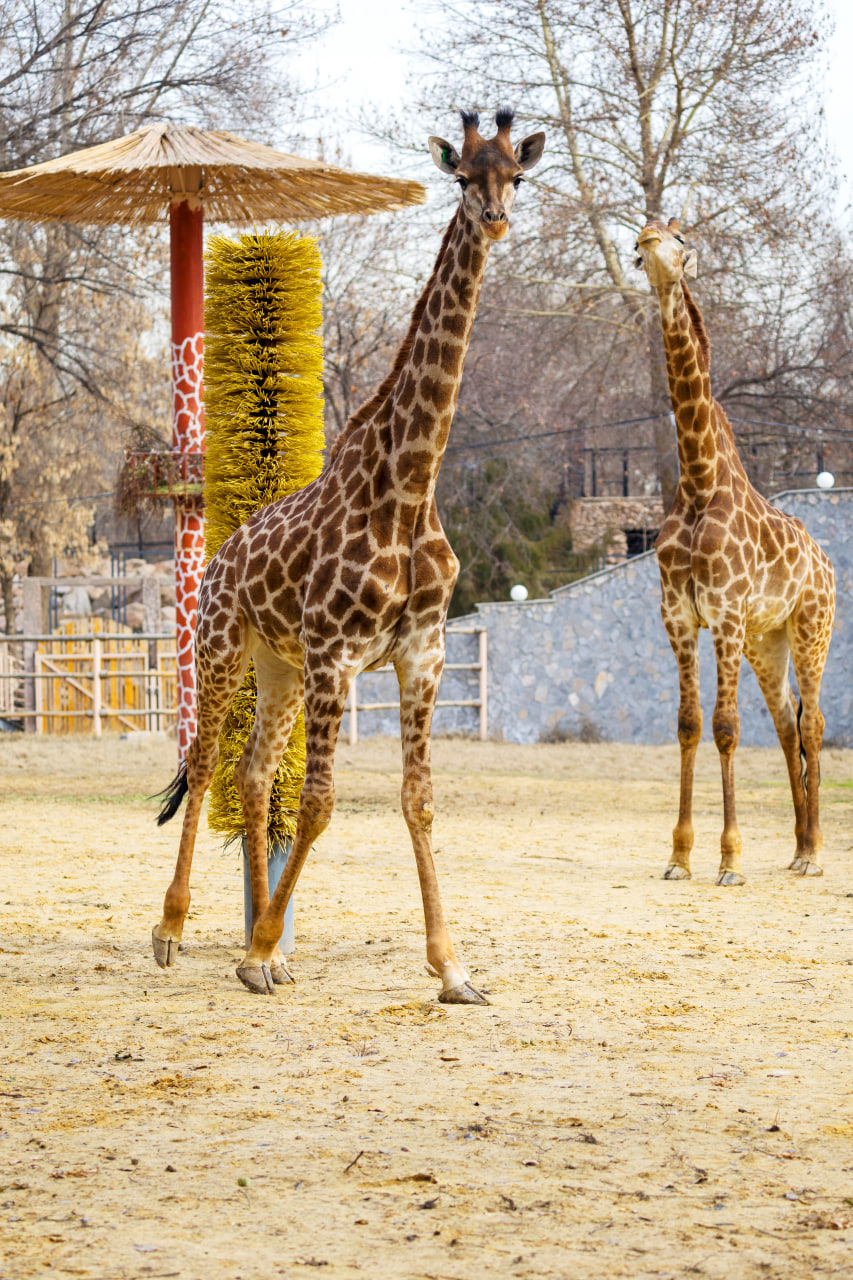
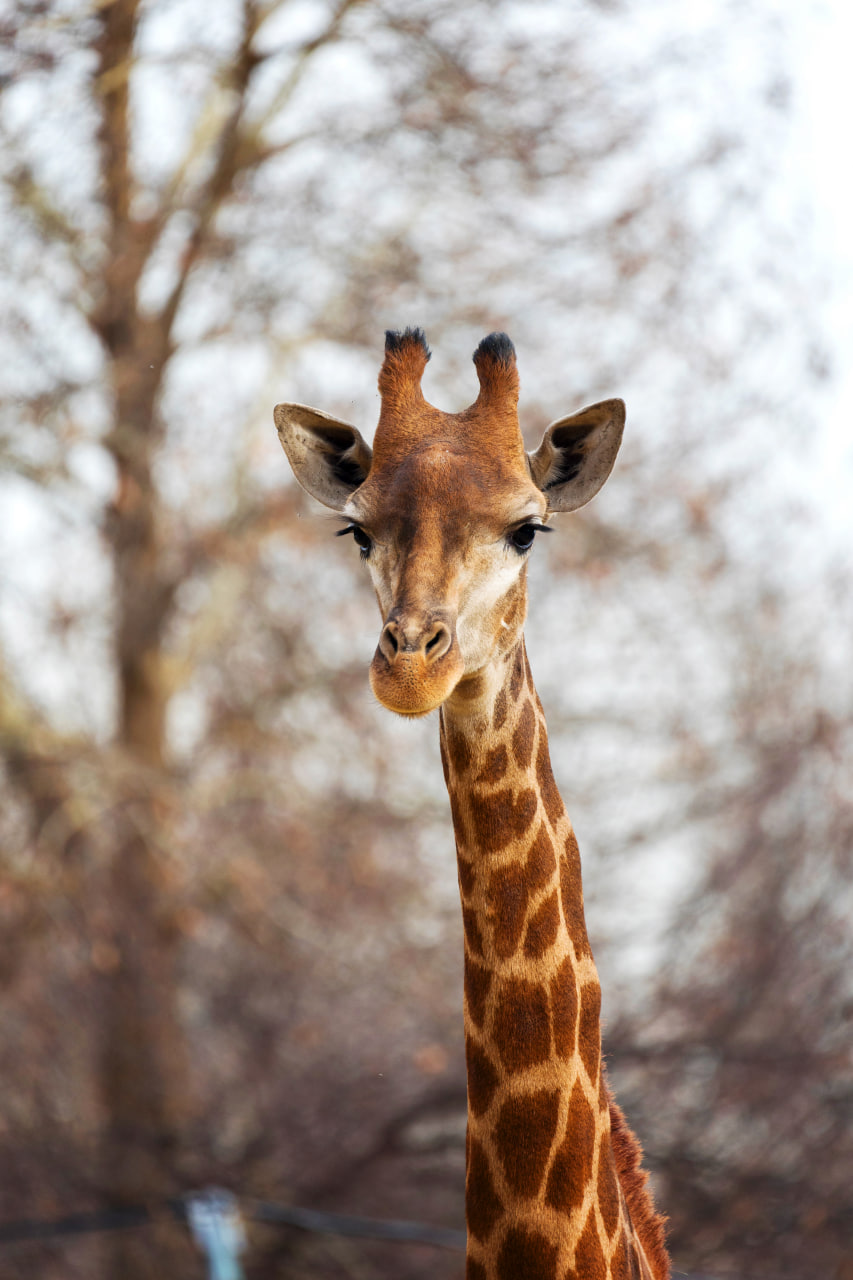
Giraffe. The tallest animal on Earth. Despite its calm nature, a giraffe can deliver such a powerful kick that it can fatally injure even a large predator, including a lion.
Birds
The bird section is home to 44 species and 300 individuals. Here, visitors can see rare birds of prey, large cranes, and colorful representatives of the world’s avifauna.

Golden Eagle. One of the strongest birds of prey. Its wingspan can exceed two meters, and its exceptional eyesight allows it to spot prey from great heights.

Bearded Vulture. A rare bird known for its unusual feeding technique. To break bones, it carries them into the air and drops them onto rocks.

Saker Falcon. One of the fastest falcons in the world. This rare species is listed on the International Red List.

Asian Houbara Bustard. One of the most beautiful and rare steppe birds. It is distinguished by its elegant appearance, long legs, and striking feathers on the sides of its head. During the breeding season, male houbara bustards develop an impressive collar of feathers around their necks.

Waterfowl
This section is home to 34 species and 636 individuals, whose lives are closely connected to water.

Pink Pelican. Its enormous bill and spacious throat pouch help it catch and carry fish.
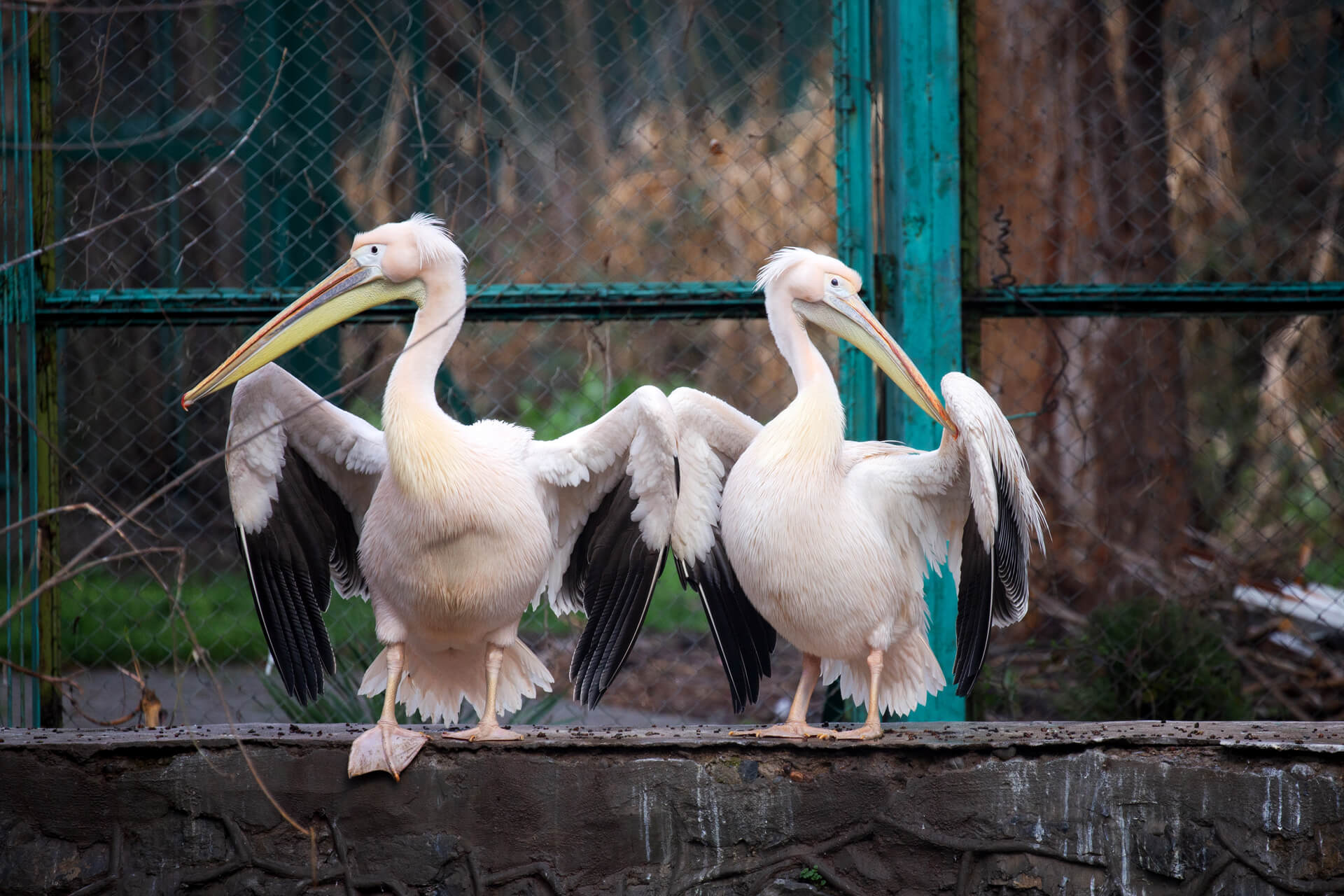
Black Stork. A rare and very cautious bird that prefers secluded forests and quiet bodies of water.

Great Cormorant. An excellent diver, capable of pursuing prey underwater at high speed.

Greater Flamingo. Its delicate pink coloration comes from special pigments found in its diet. These birds often stand on one leg and live in large colonies.

Grey Crowned Crane. One of the most beautiful birds of Africa. Its most distinctive feature is the golden crest on its head, resembling a crown. During the breeding season, cranes perform spectacular dances featuring jumps, bows, and wing flapping.
Aquarium
The Tashkent Zoo Aquarium is a fascinating underwater world home to more than 100 species of fish and three species of aquatic turtles. Here, you can see both small, colorful tropical fish and large freshwater species from around the world.


Black Ghost Knifefish. An unusual fish that navigates through the water using weak electrical impulses. It can swim not only forward but also backward, making it unique among most fish.
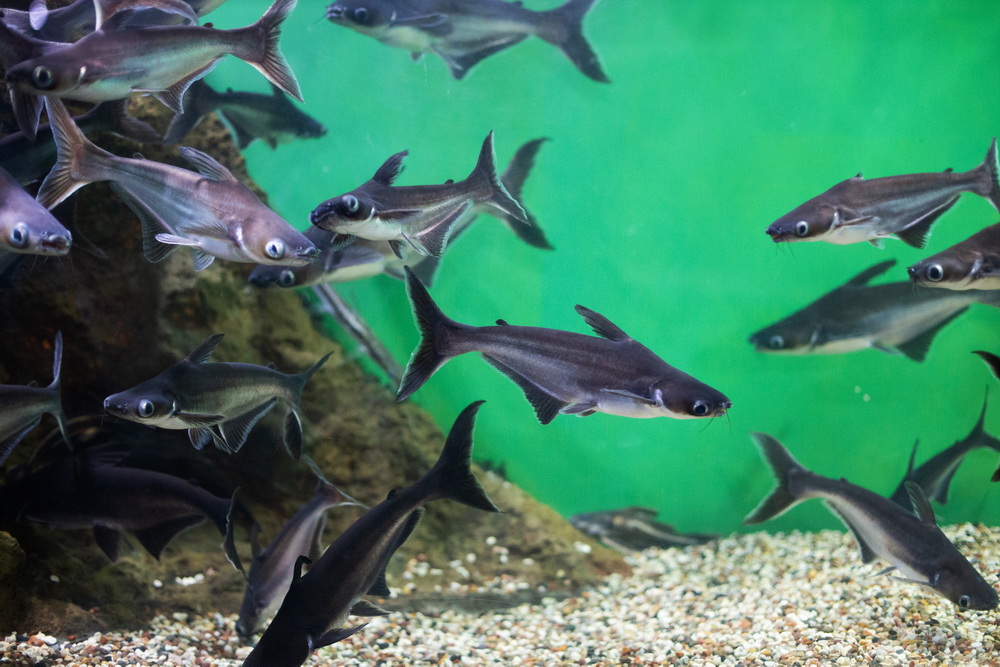
Bala Shark. Its appearance resembles that of a small shark, but it has a peaceful temperament. This highly active schooling fish is almost always on the move.
Moray Eel. An unusual marine fish with a long, snake-like body. It spends most of its time hiding among rocks and corals and usually hunts at night. Despite its intimidating appearance, moray eels rarely attack humans without provocation.

Lionfish. One of the most beautiful fish found on coral reefs. Its long, striped fins resemble wings, but their rays contain venomous spines that serve as protection against predators.
Small Mammals
The section is home to 28 species and 126 individuals.

Asian Palm Civet. A small carnivorous mammal native to the tropical forests of Asia. It is primarily nocturnal and feeds on fruit, insects, and small animals.

Porcupine. It protects itself with long, sharp quills that provide reliable protection from predators.

Chipmunk. A true master of forest storage. Before winter, it collects and hides thousands of seeds and nuts.

Malayan Flying Squirrel. Known for its striking coloration, incredible agility, and ability to make long gliding jumps between trees.

Parrots
The parrot collection includes 38 species and 406 individuals. It is one of the brightest and liveliest corners of the zoo.

Black Cockatoo. Easily recognized by its striking black plumage, powerful beak, and bright red patches on its tail. It is an intelligent and curious bird with remarkable cognitive abilities.

Macaw. One of the largest parrots in the world. These birds have high intelligence, excellent memory, and can live for more than half a century.

Mealy Amazon. Known for its sociable nature and ability to memorize human speech and various sounds.

Budgerigar. One of the most popular pet birds in the world. Despite its small size, it is highly intelligent, active, and easy to train.
Invertebrates
The Invertebrates section opens up an amazing world of the most numerous inhabitants of our planet. Despite their small size, invertebrates play a vital role in ecosystems by pollinating plants, decomposing organic matter, and maintaining the balance of nature.
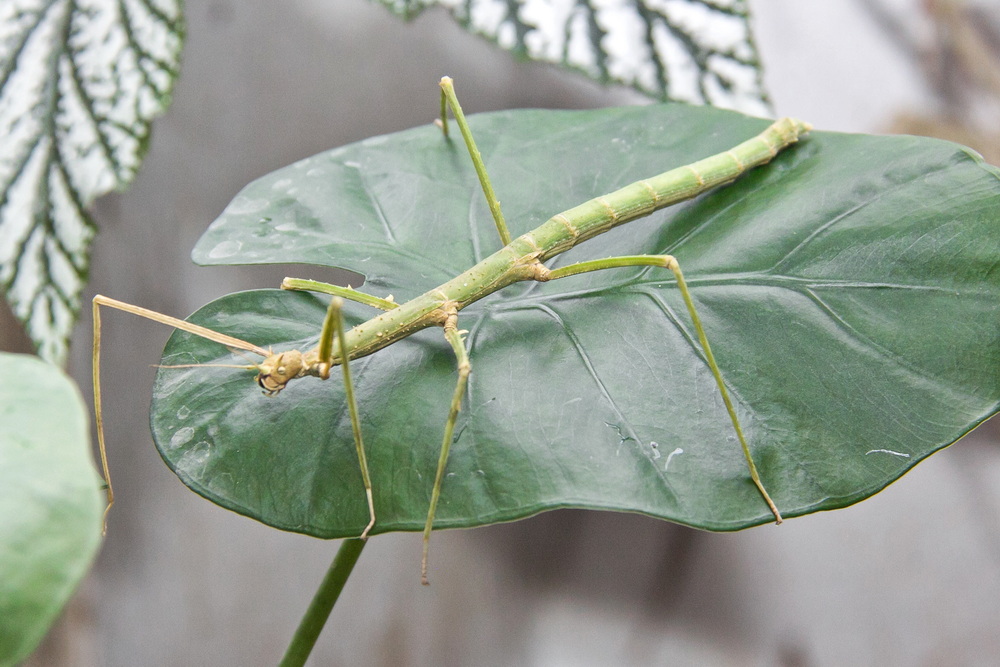
Stick Insects. True masters of camouflage. Their shape and coloration resemble plant twigs so closely that they can be difficult to spot in the wild.
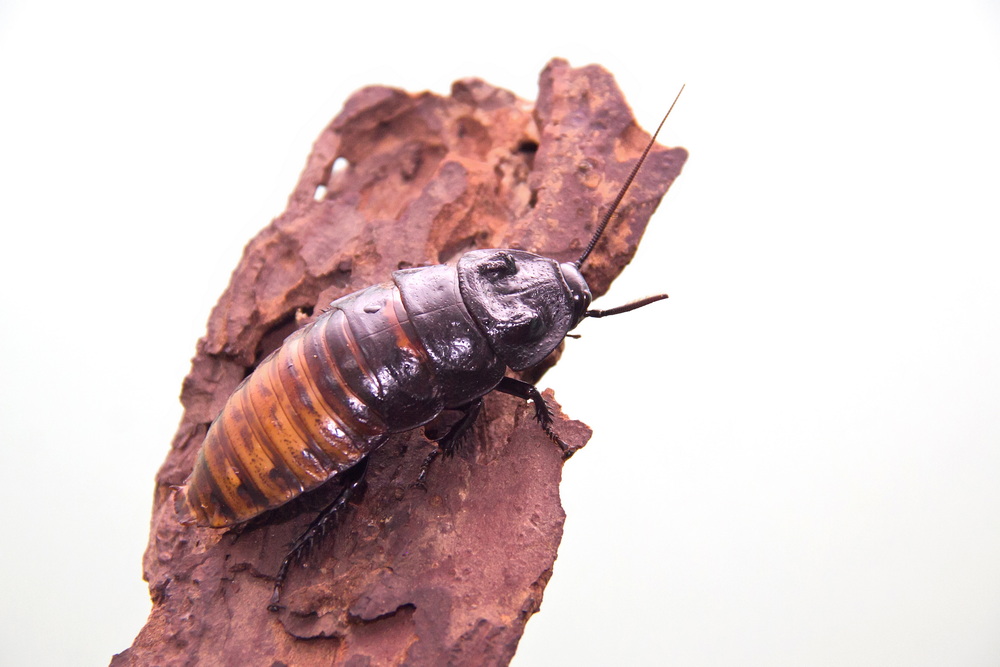
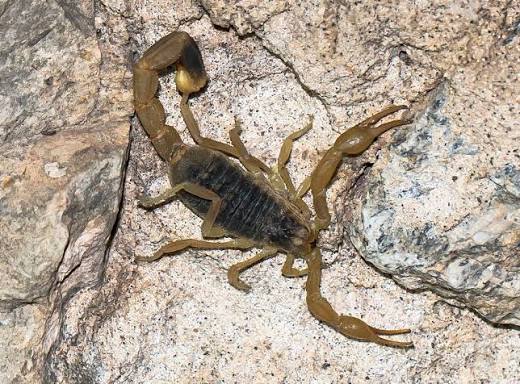
Caucasian Scorpion. One of the best-known scorpions in Eurasia. Despite its intimidating appearance, it leads a secretive nocturnal lifestyle and spends the day hiding under rocks and in shelters.
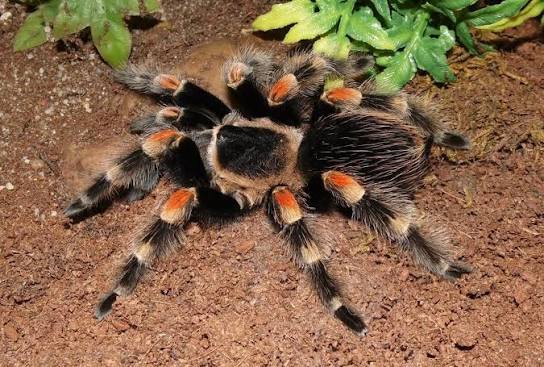
Tarantula. One of the largest spiders. As its name suggests, some species of tarantulas can prey on nestlings and even small mammals, although insects make up the main part of their diet.
Vivarium

The “Vivarium” section is not designed for leisurely strolls or admiring views — it plays an important role in providing food for the health and nutrition of carnivorous animals, including waterfowl.
 ⠀
⠀
This is where rats, mice, rabbits, and guinea pigs are bred and used as a food source for predators.

Some visitors may find this cruel, but it is part of the natural food chain. If a predator that requires a protein-rich diet is not properly fed, it can develop digestive problems and may even die.

The “Vivarium” section is also equipped with ventilation systems to ensure proper air circulation, as its inhabitants require a specific climate — approximately 18°C.
Food Warehouse

Tashkent Zoo has a large food warehouse and a well-organized supply department that provides the animals with a wide variety of food, including meat, bread, fish, nuts, grains, eggs, vegetables, fruits, and much more.

Every Thursday, the zoo purchases fresh food supplies for the entire week. For example, the total weight of purchased fruits and vegetables alone exceeds 3–4 tons!

After the products are delivered to the warehouse, they are weighed. The head of the department then records information about the quantity of the purchased goods in a special logbook. The products are subsequently thoroughly inspected for quality by a commission consisting of veterinary clinic staff and animal nutrition specialists.

Once the food arrives at the warehouse, it is weighed, and the department manager records the quantity of each item in a special logbook. Everything is then carefully inspected for quality by a committee consisting of veterinary clinic staff and animal nutrition specialists.
The food is then distributed among all the zoo’s departments.
This well-organized food distribution system ensures that the zoo has everything it needs while supporting the animals’ health and meeting their nutritional requirements.